Badass Korean
You're cool like Korea... You’re a real BADASS, so learn to speak like one!Learn some Korean slang from the GreyRat before you become the linguistic equivalent of a 99-pound weakling.
How to shatter your image in 3 seconds flat! 확깬다
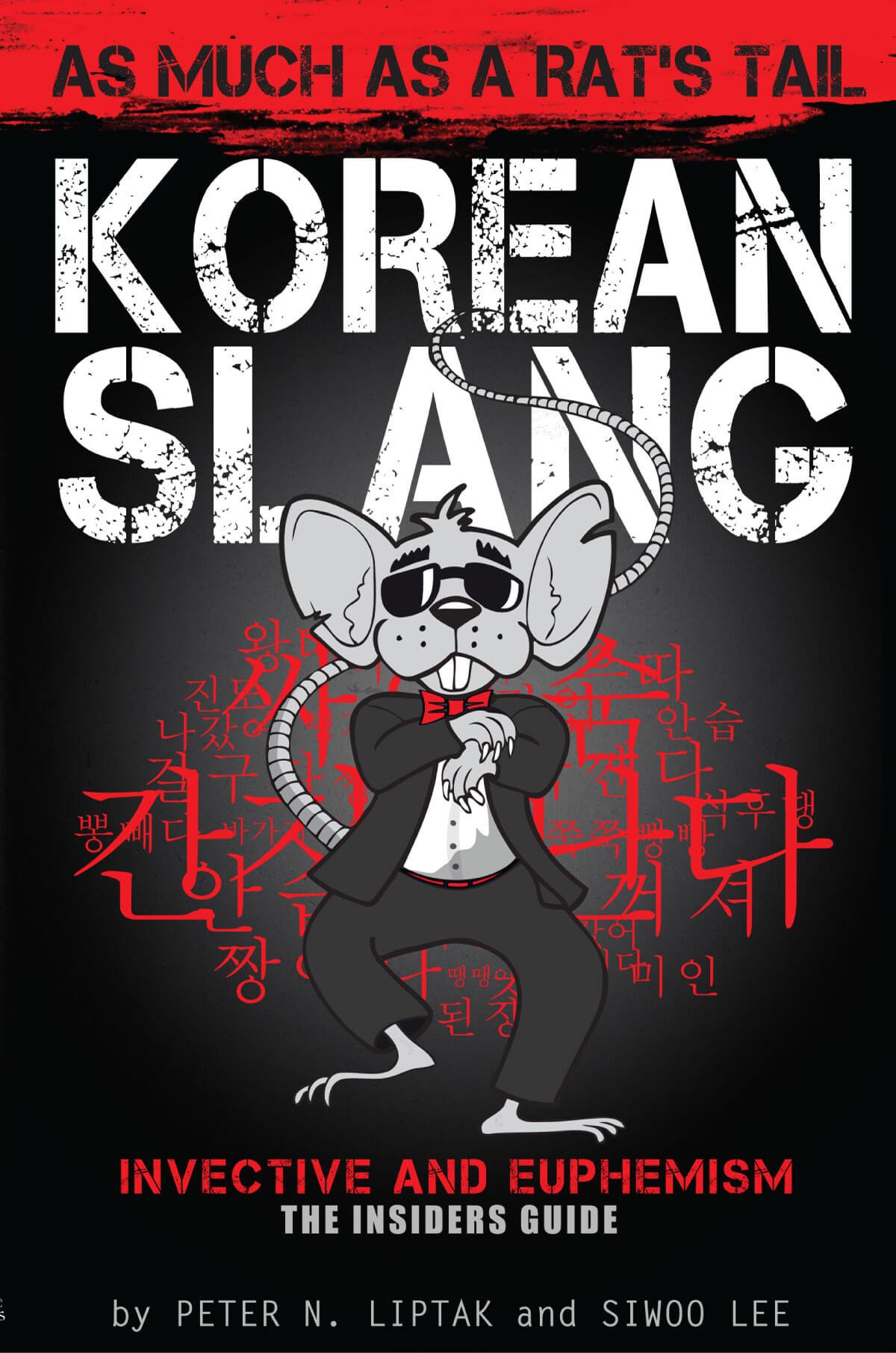
The picture gets your attention. The expression is the real punchline. Here is the meaning and the scene behind it, straight from As Much as a Rat’s Tail.
확깬다
[hoakggaen-da]
to break a trance shatter an image be over it
Ohhhh. That so just blew it for me! 확깬다 (확)깬다 [(hoak)ggaen-da] to break a trance; shatter an image; be over it
Meaning & context
상대방이 어처구니없는 말이나 행동을 할 때 창피를 주기위해 쓰는 말. “깬다”라는 단어는 본래 술이 깨다, 잠에서 깨다 등의 표현에 사용되는데 여기서는 상대방의 엉뚱한 행동으로 인해 술이나 잠에서 깨어날 정도로 황당하고 부끄러운것의 의미를 내포한다.
Ggaenda (깬다) literally means “to break,” from ggaeda (깨다), and relates to cham ggaenda (잠깬다) and sul ggaenda (술깬다) meaning to suddenly rouse from sleep or to sober up. Here, it is to say that some impression or spell has been broken by another’s absurd or shameful action. Similar to the English expressions “for shame,” “my image of you is shot,” or essentially to be “over someone.”
From As Much as a Rat’s Tail · book pages 38–39. Original published text; historical references and usage are retained.
STORY TIME
See it in conversation
Korean
짝사랑 1
English
Unrequited Love 1
희연아, 저기좀 봐, 네 꿈의 이상형이 간다. 오, 저 남자 멋쟁이이고 너무 잘생겼어.
HeeYeon-a, look over there. There goes the man of your dreams. Oh, he’s such a sharp dresser and so handsome.
태용? 어디? 완전 조각상이야. 언젠가는 저 남자랑 결혼하고 말테야...
TaeYong? Where? Oh, he’s like a sculpture! I’ll marry him someday . . .
이럴수가, 확 깬다.
Oh no, hoak ggaenda.
왜? 무슨 일이야?
Why? What happened?
저것 봐! 저 남자 자기 코 파고 있어! 아 이젠 끝이야. 정말 깬다.
Look! He’s picking his nose! I’m so over him. Totally ggaenda.
From the book: notes & culture
Culturally Speaking
“Hello Cutie”
Being overly cute, or at least acting cute, gui-yeo-un chok [귀여운 척], (think Hello Kitty) remains part of the game for many Korean women well beyond their teens. While often used as a pretense, it is also thought of as a sign of innocence and purity. Such girls will add lots of cute expressions, icons, hearts, etc. to their conversations to convey their sweetness and use egyo [애교] (acting with intense childish cuteness and affectionate mannerisms) toward their male counterparts, to cajole or coerce them to get something they want. If someone takes this to an extreme, you can call them on it by saying guichok hajima [귀척 하지마] – give up on the excessive cuteness.
Get the complete illustrated book: As Much as a Rat’s Tail.
Buy the book!
#SeoulTips

#TIK